
Understanding Germall™ Plus: The Gold Standard in Broad-Spectrum Cosmetic Preservation
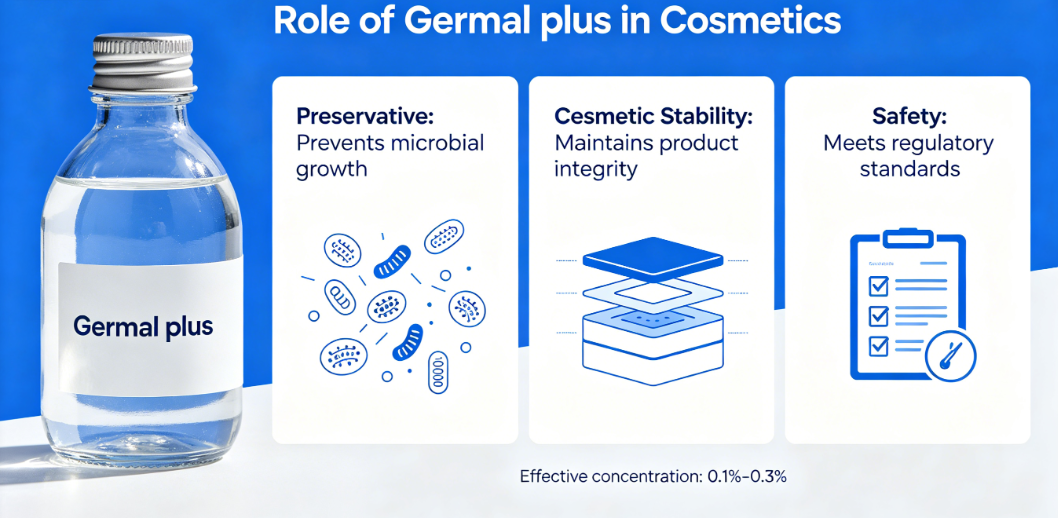
What is Germall Plus? A Scientific Deep DiveGermall™ Plus is a patented, highly effective preservative system composed of a synergistic blend: Diazolidinyl Urea and Iodopropynyl Butylcarbamate (IPBC). Usually available in a liquid base of Propylene Glycol, this combination is designed to provide comprehensive protection against a wide array of microorganisms. The Synergistic MechanismThe brilliance of Germall Plus lies in its "two-pronged" attack: Diazolidinyl Urea: Primarily targets Gram-positive and Gram-negative bacteria. It works by disrupting the cellular membrane and interfering with protein synthesis. IPBC: A powerful fungicide that fills the gaps left by the urea, specifically targeting yeasts and molds. By combining these two, formulators achieve broad-spectrum protection at much lower concentrations than if they used each ingredient individually. | 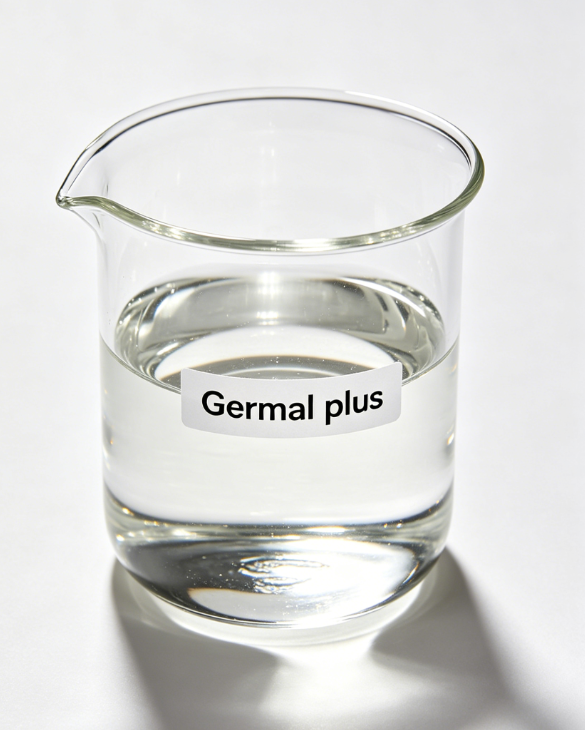 |
Why Formulators Choose Germall Plus: Key Benefits
Low Usage Rates: Effective at concentrations as low as 0.1% to 0.5%.
Stability: It remains stable over a wide pH range (3.0 to 8.0), making it suitable for everything from acidic Vitamin C serums to slightly alkaline lotions.
Water Solubility: It is completely soluble in the water phase of emulsions, ensuring even distribution.
Compatibility: It plays well with almost all cosmetic ingredients, including surfactants and proteins, which often deactivate other preservatives.
Research and Safety: What the Literature Says
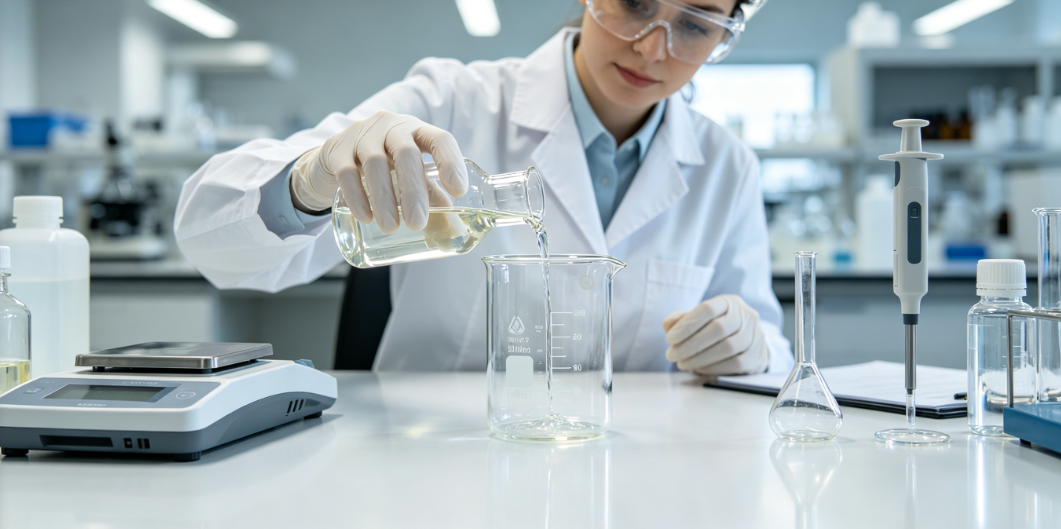
The safety profile of Germall Plus is backed by extensive toxicological research. According to the Cosmetic Ingredient Review (CIR) Expert Panel, both Diazolidinyl Urea and IPBC are safe for use in cosmetics when formulated within specific limits.
Key Research Findings:
- Antimicrobial Efficacy: A study published in the Journal of the Society of Cosmetic Chemists highlighted that the combination of Diazolidinyl Urea and IPBC showed a significantly lower Minimum Inhibitory Concentration (MIC) against Aspergillus niger and Candida albicans compared to traditional parabens.
- The Formaldehyde Question: Diazolidinyl Urea is a "formaldehyde-releaser." While this sounds daunting, research indicates that the amount of formaldehyde released at a 0.5% usage rate is roughly equivalent to the amount naturally found in an apple or a pear. It is this controlled release that provides the potent antibacterial action.
- Regulatory Compliance: In the EU, IPBC is restricted in "leave-on" body lotions and deodorants if it exceeds certain thresholds to prevent sensitization, but it remains a preferred choice for rinse-off products and face creams.
Common FAQ: Addressing Formulator Concerns
Is Germall Plus Paraben-Free?
Yes. Germall Plus is frequently used as a high-performance alternative to parabens. It allows brands to market their products as "Paraben-Free" without compromising on shelf-life or safety.
Can it be used in anhydrous (water-free) products?
Technically, preservatives are needed where water is present. However, if your anhydrous product (like a body scrub) might come into contact with water during use (e.g., in the shower), adding Germall Plus is a smart "insurance policy" against mold growth.
Is it Heat Sensitive?
Yes. To maintain its integrity, Germall Plus should be added during the cool-down phase of production, typically when the temperature of the batch is below 50°C (122°F).
Market Trends and Future Outlook
The global cosmetic preservative market is undergoing a massive shift. As of 2024–2026, the trend is moving toward "clean beauty" and "minimalist formulation."
1. The Rise of "Preservative-Boosters"
While Germall Plus is powerful alone, the market is seeing a trend of pairing it with boosters like Ethylhexylglycerin or Caprylyl Glycol. This allows brands to lower the chemical load even further while maintaining a 2-year shelf life.
2. Global Regulatory Shifts
As China and the EU update their "Positive Lists" for cosmetic ingredients, Germall Plus continues to hold its ground due to its long history of safe use. It is a "workhorse" preservative for brands looking to export globally, as it is recognized by the FDA, the NMPA (China), and the Ministry of Health in Japan.
3. Sustainability in Manufacturing
The manufacturers of Germall Plus (notably Ashland) are increasingly focusing on the sustainability of the Propylene Glycol carrier, moving toward bio-based versions to satisfy the demand for "green" chemistry.
How to Incorporate Germall Plus into Your Product
If you are developing a skincare line, follow these best practices for using Germall Plus:
| Feature | Specification |
| Recommended Dosage | 0.1% – 0.5% |
| Physical Form | Clear, viscous liquid |
| pH Range | 3.0 – 8.0 |
| Best For | Lotions, Creams, Shampoos, Conditioners, Gels |
| Addition Point | Cool-down phase (< 50°C) |
Conclusion: Balancing Science and Safety
In the debate between "all-natural" and "synthetic," Germall Plus represents a pragmatic middle ground. It provides the rigorous protection necessary to prevent skin infections caused by contaminated products—a risk that "natural" preservatives sometimes fail to mitigate.
For the modern formulator, Germall Plus is more than just a chemical; it is a guarantee of quality. By understanding its chemistry, respecting its temperature limits, and following regulatory guidelines, you can ensure your cosmetic creations remain fresh, effective, and, most importantly, safe for every consumer.
Contact
Lydia You
Whatsapp:+8613572488219
Email:sales03@nahanutri.com
Web: www.imaherb.com